Historical Foundations of Chhattisgarh
The region known today as Chhattisgarh has a recorded history spanning over two millennia. Historically identified as Dakshina Kosala in ancient Indian texts, it formed a significant cultural and political zone in central India. Archaeological evidence from sites such as Sirpur, Malhar, and Tala indicates early urban settlements, temple architecture, and Buddhist monastic institutions dating back to the Mauryan and Gupta periods. Over centuries, the region came under the rule of the Sharabhpuriyas, Panduvanshis, Kalachuris, Marathas, and eventually the British administration. Its historical evolution reflects a continuity of tribal traditions, temple culture, mineral economy, and administrative transformation that ultimately shaped the modern state formed on 1 November 2000.
Ancient Foundations
4th century BCE – 6th century CE
Identified historically as Dakshina Kosala
Referenced in ancient epics and Puranic texts
Mauryan administrative influence in the region
Early urban centers near present-day Sirpur and Malhar
Classical & Early Medieval Period
6th – 12th century CE
Rule of Sharabhpuriyas and Panduvanshis
Sirpur emerged as a major Buddhist and Shaivite center
Xuanzang (7th century) documented the region’s religious institutions
Advanced temple architecture and monastic establishments
Late Medieval & Maratha Phase
13th – 18th century
Kalachuri dynasty ruled from Ratanpur
Emergence of “Chhattisgarh” (36 forts concept)
Incorporation into Nagpur Bhonsle Maratha rule
Revenue restructuring and administrative changes
Colonial to Modern Formation
19th – 21st century
Integrated into British Central Provinces
Expansion of mining and railway networks
Demand for separate statehood post-1956
Official state formation on 1 November 2000
Chronological Evolution
Ancient & Mythological Era
Paleolithic Age
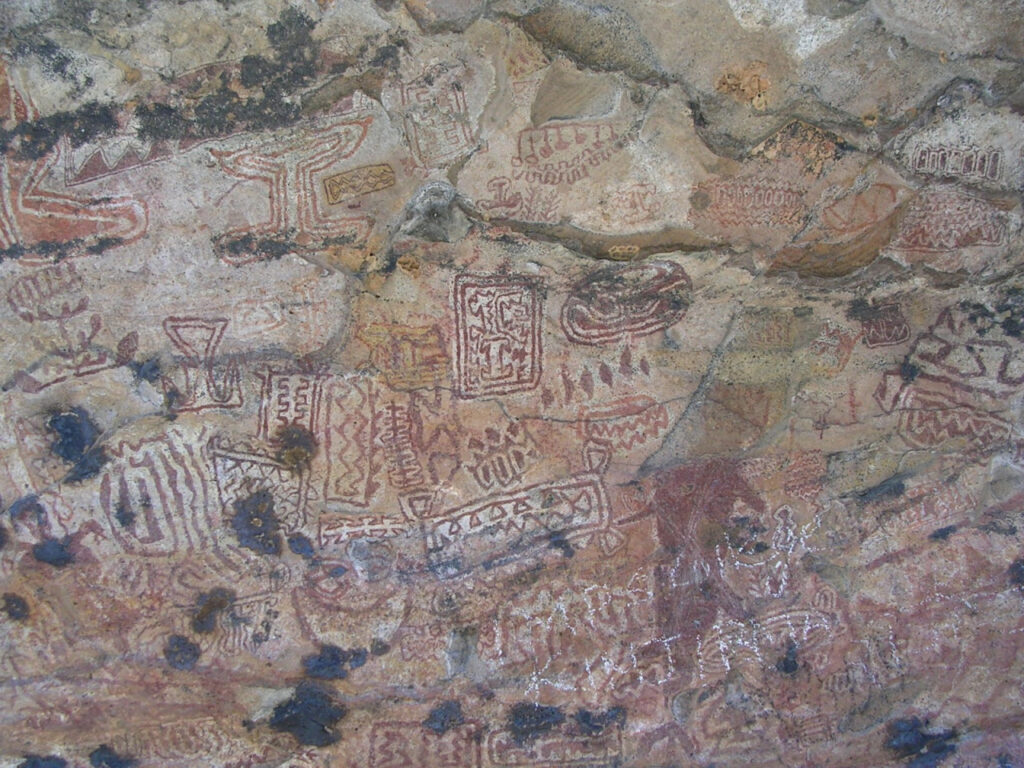
Important sites such as Singhanpur, Chhaparama, Bhawarkhol, Gidha, and Sonbarsa caves provide evidence of early human activity in Chhattisgarh, including stone tools and rock paintings depicting animals, human figures, and hunting scenes, reflecting the cultural and social life of prehistoric humans.
Vedic Period
During the Later Vedic period (1000–600 B.C.), the southern region including parts of present-day Chhattisgarh was referred to as Dakshik-Dik, and scholars like Sitanath Pradhan identified it with the Deccan region, indicating the gradual expansion of Aryan influence towards Central India.
Ramayana Period
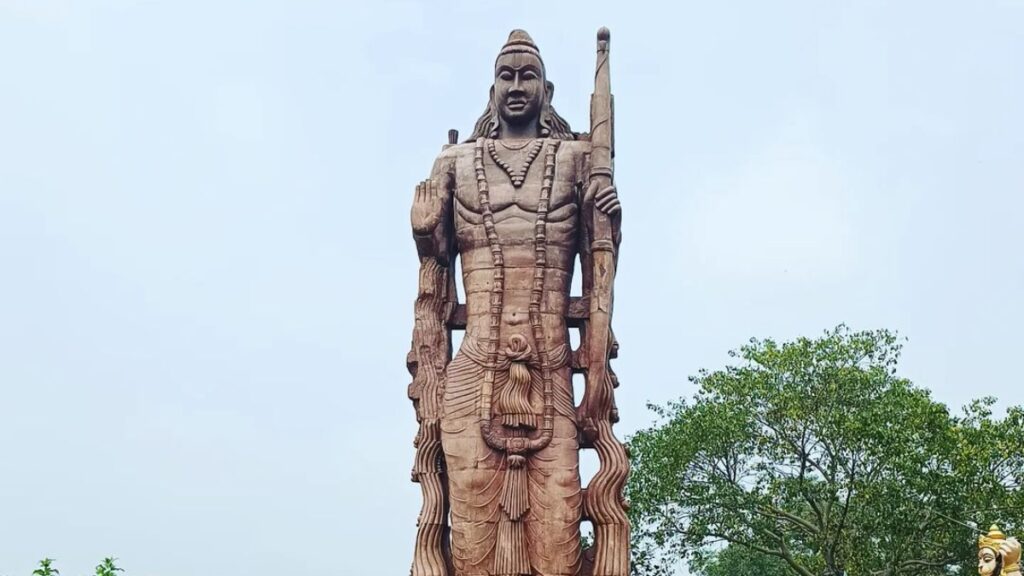
The region of present-day Chhattisgarh was known as Dakshin Kosal, which is closely associated with the Dandakaranya forest where Lord Rama spent a significant part of his exile according to the Ramayana tradition.
Mahabharata Period
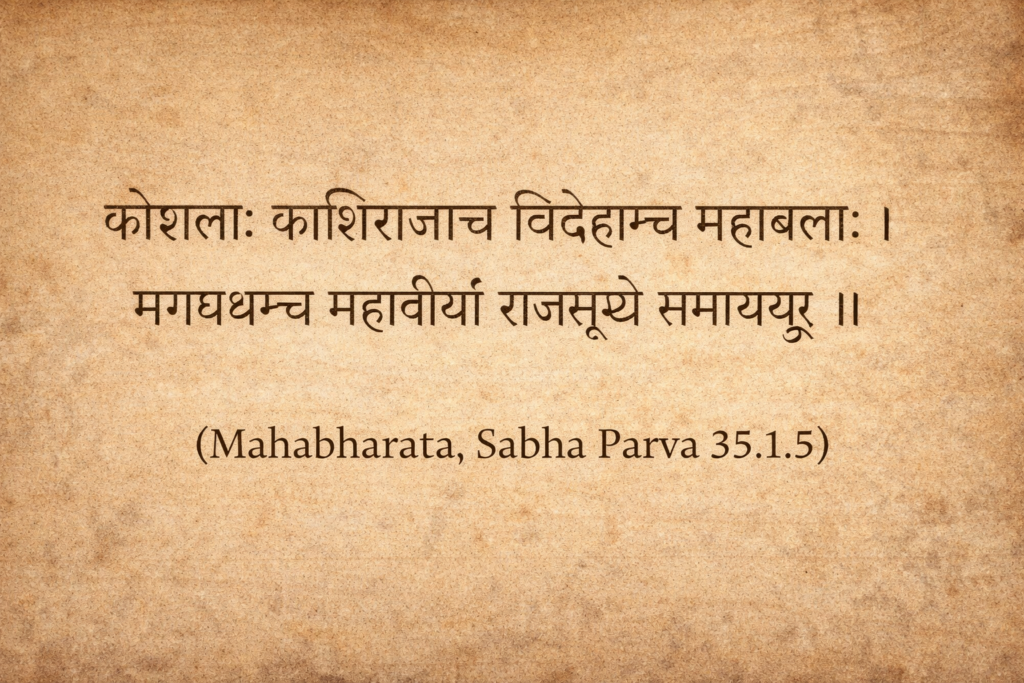
During the Mahabharata period, the region of present-day Chhattisgarh was known as Kosal or Prak-Kosal, and references in the epic describe places like Chitrotpala (Mahanadi) and sites such as Rishabh Tirth (Gunji) mentioned in the Van Parva of the Mahabharata.
Jainism Era
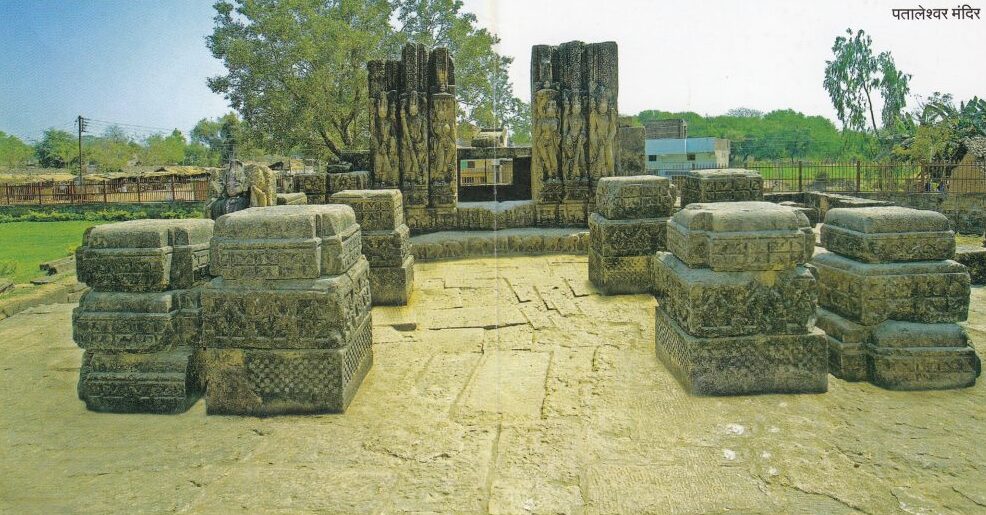
Jainism spread in Chhattisgarh around the 6th century A.D., as evidenced by ancient Jain monuments, inscriptions, and statues of Tirthankaras found at sites such as Malhar, Sirpur, Arang, and Pujari-Pali, indicating the presence of Jain religious influence in the region.
Mahajanpada Period
During the Mahajanapada period (6th century B.C.), India was divided into 16 major states (Mahajanapadas), and the region of present-day Chhattisgarh was considered part of the Chedi Mahajanapada, whose capital was Suktimati.
Mauryan & Early Historic Period
Maurya Period
(c. 322–185 BCE)
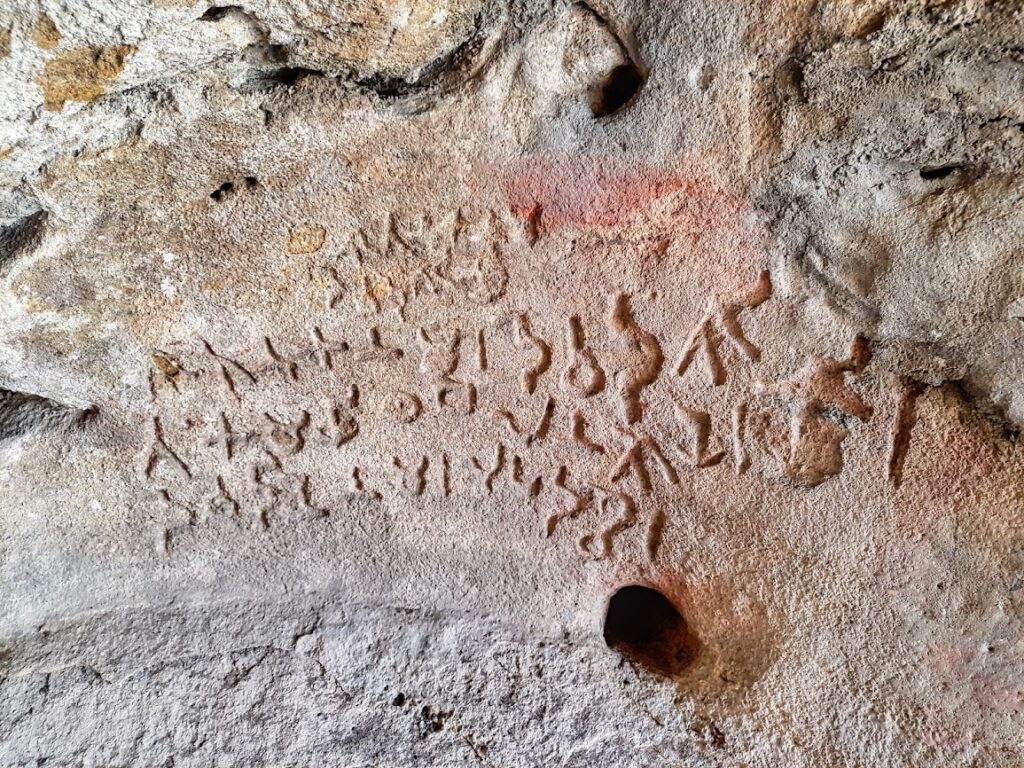
The region of present-day Chhattisgarh was incorporated into the Mauryan Empire under Chandragupta Maurya and Ashoka. Ashokan influence spread Buddhism and administrative control into Dakshin Kosala. Archaeological finds and trade routes suggest integration with the imperial economy and governance of the Mauryan provincial system.
Shung Dynasty
(c. 322–185 BCE)
After the fall of the Mauryas, the Shungas under Pushyamitra Shunga ruled northern and central India. Dakshin Kosala likely remained under their indirect influence. The period saw revival of Brahmanical traditions and continued development of regional trade networks connecting central India with the Deccan.
Satvahana Period
(c. 1st century BCE – 3rd century CE)
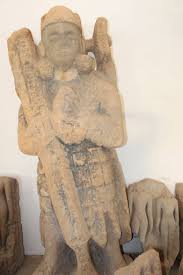
The Satavahanas expanded from the Deccan into parts of central India, influencing the Dakshin Kosala region. Their rule promoted long-distance trade, Prakrit inscriptions, and coinage circulation. The dynasty acted as a bridge between northern and southern cultural traditions.
Kushana Dynasty
(c. 1st–3rd century CE)
Although the Kushana Empire was centered in north-west India, its trade networks extended into central India. The period saw increased commercial exchange across India and the spread of Buddhism. Kushana coinage and cultural contacts influenced regions including Dakshin Kosala.
Megh Dynasty
(c. 2nd–3rd century CE)
The Megh dynasty ruled parts of Dakshin Kosala after the decline of larger imperial powers. Evidence mainly comes from inscriptions and coins. Their rule represents a phase of regionalization in central India where smaller local dynasties controlled trade routes and agricultural settlements.
Mitra Dynasty
The Mitra rulers governed small territories in central India during the early historic period. Coins bearing Mitra names have been discovered in nearby regions, suggesting local authority and participation in regional trade networks connecting the Ganga valley with the Deccan.
Vakataka Dynasty
(c. 2nd–3rd century CE)
The Vakatakas were a powerful Deccan dynasty that influenced parts of central India including Dakshin Kosala. They were contemporaries and allies of the Guptas through marriage alliances. The period is known for Brahmanical patronage, temple construction, and expansion of agrarian settlements.
Gupta Period
(c. 4th–6th century CE)
During the Gupta era, Dakshin Kosala came under the political influence of Samudragupta following his southern campaigns described in the Allahabad Pillar inscription. The period is considered a classical age of Indian culture, marked by advancements in art, religion, and administrative organization.
Rajarshitulya Dynasty
(c. 5th–6th century CE)
The Rajarshituliya rulers governed parts of Dakshin Kosala after the Gupta decline. Information about them is mainly derived from inscriptions and local records. Their rule represents a transitional phase where regional powers consolidated authority before the emergence of larger dynasties.
Parwatdwarak Dynasty
(c. early medieval period)
The Parwatdwarak rulers were minor regional chiefs who controlled territories in Dakshin Kosala. Evidence comes primarily from inscriptions and local traditions. Their governance reflects the fragmentation of power in central India and the rise of local ruling families during the early medieval period.
Shail Dynasty
(c. early medieval period)
The Shail dynasty ruled parts of central India including areas of Dakshin Kosala. Their administration relied on land grants and local feudal chiefs. Inscriptions suggest patronage of Brahmanical religion and the development of agrarian settlements in forested regions of central India.
Medieval Period – Dynasties & Kingdoms
Kalchuri Rule
Faninag Dynasty - Kawardha
Som Dynasty - Kanker
Chhindaknag Dynasty - Bastar
Kakatiya Dynasty - Bastar
The Sharabhpuriyas ruled parts of the region.
The Panduvanshi dynasty contributed to temple construction.
Sirpur became an important cultural capital.
Sirpur developed as a Buddhist learning center.
Chinese traveler Xuanzang mentioned the region.
Kalachuri dynasty ruled extensively.
Ratanpur became a political center.
Raipur emerged as an administrative town.
Temple architecture flourished during Kalachuri rule.
The Laxman Temple at Sirpur was constructed.
Shaivism became prominent.
Vaishnavism coexisted with Shaivism.
Tribal traditions remained strong.
The name “Chhattisgarh” emerged during this period.
It likely refers to “36 forts.”
Forts were built for administrative control.
Agriculture expanded significantly.
Trade in forest produce increased.
Local chieftains held power in rural areas.
Cultural syncretism deepened.
Mughal & Maratha Period
Direct Maratha Rule
Suba Rule
Maratha Rule under British Protection
Bhonsla Rule
The Mughals exerted indirect influence.
The region remained semi-autonomous.
Marathas gained control in the 18th century.
Nagpur Bhonsles ruled Chhattisgarh.
Revenue systems were reorganized.
Heavy taxation affected peasants.
Administrative reforms were introduced.
Trade routes expanded under Marathas.
Forest wealth was exploited more systematically.
Social unrest gradually increased.
British Period
Direct British Rule
British influence began in the early 19th century.
The region came under the Central Provinces.
British administration formalized land revenue systems.
Railways were introduced.
Mining activities expanded.
Forest laws affected tribal communities.
Tribal uprisings occurred.
The Halba rebellion was significant.
The Bhumkal rebellion (1910) was a major tribal revolt.
Veer Narayan Singh became a freedom hero.
He led resistance against British rule.
Agricultural exploitation intensified.
Education institutions slowly developed.
Missionaries introduced schools.
Nationalist movements reached the region.
Congress activities began locally.
Forest satyagrahas were organized.
Participation in the Non-Cooperation Movement occurred.
Participation in Quit India Movement occurred.
Freedom fighters emerged from tribal communities.
Post-Independence (1947–2000)
Integration into Madhya Pradesh (1956)
Chhattisgarh (previously part of the Central Provinces and earlier British administrative divisions) remained integrated into the larger state of Madhya Pradesh (Under the States Reorganisation Act of 1956)
Chhattisgarh became part of Madhya Pradesh in 1956.
Demand for separate statehood began early.
Cultural identity movements grew.
Industrialization expanded in Bhilai.
Bhilai Steel Plant was established.
Korba became a power hub.
Coal mining expanded rapidly.
Aluminum production developed.
Tribal rights movements continued.
Educational institutions expanded.
Raipur grew as a commercial center.
Infrastructure slowly improved.
Regional imbalance concerns were raised.
Political movements demanded autonomy.
Chhattisgarh Rajya Nirman Manch formed.
Public support for statehood increased.
Political consensus gradually emerged.
Parliament passed the Madhya Pradesh Reorganisation Act.
State formation process was finalized.
Preparations for new administration began.
Formation of Chhattisgarh (2000 & Beyond)
Add Your Heading Text Here
Chhattisgarh was officially formed on 1 November 2000.
Raipur became the capital.
Ajit Jogi became the first Chief Minister.
Administrative districts were reorganized.
Focus on tribal welfare programs increased.
Naya Raipur (Atal Nagar) was developed.
Industrial growth accelerated post-statehood.
Infrastructure projects expanded.
Cultural identity strengthened statewide.
Chhattisgarh emerged as a key power and mineral-rich state in India.